Understanding the Benefits of Professional Tree Services: Tree Removal and Trimming Explained
Professional tree services play an essential role in maintaining both safety and health within landscapes. Regular trimming and removal not only mitigate risks but also enhance tree vigor. Homeowners frequently underestimate how professional tree maintenance influences property value. Understanding the underlying significance of these services can lead to more informed decisions. What indicators point to the need for expert tree care, and how does one go about finding the most suitable professionals for the job?
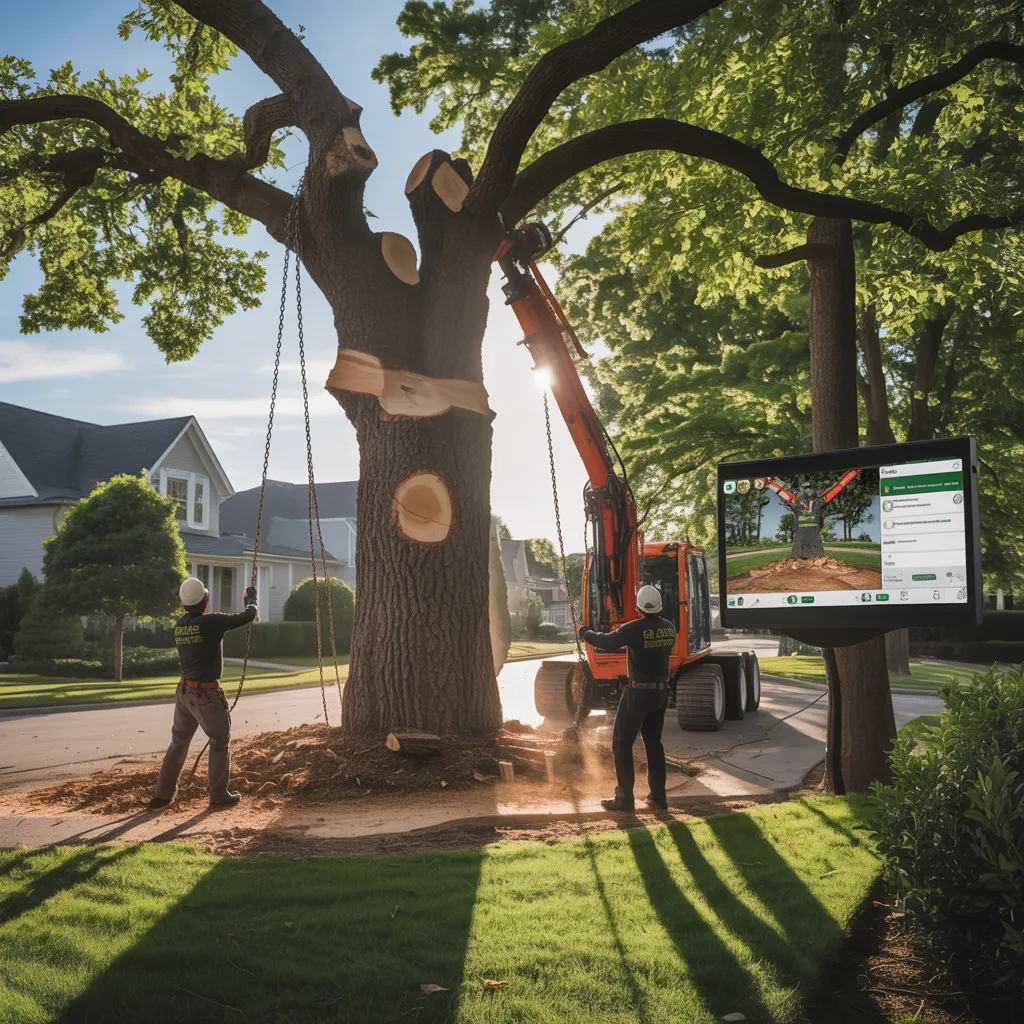
Why Tree Maintenance Is Crucial for Safety and Well-Being
Appropriate tree management is vital for ensuring safety and health in both home and professional landscapes. Well-maintained trees enhance the visual appeal of a property while providing shade and improving air quality. In contrast, unmaintained trees can develop into serious hazards, with dead branches posing risks of falling during storms or high winds. Moreover, trees compromised by pests or disease can extend these concerns to adjacent vegetation, endangering whole outdoor environments.
Consistent maintenance, including trimming and pruning, not only improves a tree's structural integrity but also supports healthy growth. This preventative approach minimizes the likelihood of tree-related accidents and property damage. Additionally, healthy trees can combat soil erosion and protect local wildlife, making a positive contribution to the ecosystem. Committing to proper tree care ultimately ensures the safety of individuals and structures, while cultivating a flourishing environment that benefits both people and nature.
How Expert Services Boost Safety
Expert tree care services are instrumental in enhancing safety by guaranteeing that trees are well-maintained and structurally sound. Regular inspections and maintenance prevent potential hazards, such as falling branches or uprooted trees, which can pose risks to people, property, and vehicles. Certified arborists possess the expertise to identify damaged or unhealthy branches that could undermine tree integrity, resolving these concerns before they worsen.
Moreover, skilled tree trimming practices confirm that trees maintain proper shape, reducing the likelihood of sudden breakage during storms or high winds. Proper equipment and safety protocols are employed, limiting dangers during tree removal or pruning operations. This professional approach not only protects the surrounding environment but also reduces liability for homeowners. By focusing on safety through skilled expertise, qualified tree care specialists build a secure outdoor setting, allowing homeowners to enjoy their landscape without fear of sudden tree-related incidents.
How Expert Care Keeps Your Trees Healthy
Maintaining tree health requires the right blend of skill and ongoing attention. Professional tree services employ trained arborists with comprehensive understanding of tree biology, enabling them to identify potential issues before they escalate. Scheduled assessments aid in uncovering diseases, pests, and deficiencies, providing the foundation for swift and effective treatment.
Expert care includes proper pruning methods that support vigorous growth and eliminate damaged or diseased limbs. This not only supports the tree's general wellbeing but also boosts air movement and sunlight exposure. Fertilization and mulching performed by professionals further support tree health by providing essential nutrients and moisture retention.
Furthermore, specialized services can suggest the most suitable tree species for particular landscapes, ensuring long-term sustainability. By cultivating optimal growing conditions and proactively handling concerns, professional arborist services significantly contributes to the health and longevity of trees, ultimately leading to a healthier landscape.
Why Regular Tree Maintenance Raises Property Value
Routine tree upkeep greatly boosts a home's curb appeal, creating a welcoming first impression for potential buyers. A well-maintained landscape not only appears visually appealing but also supports a thriving natural habitat, fostering biodiversity. These factors combined increase property value, making tree care a valuable commitment for homeowners.
Enhanced Curb Appeal
When homeowners invest in tree upkeep, they not only enhance the aesthetic appeal of their property but also greatly increase its market value. Well-maintained trees contribute to a home's overall charm, forming an appealing setting for potential buyers. Vibrant, thriving greenery can act as a natural frame for the house, highlighting architectural features and landscaping. In contrast, overlooked trees can reduce a property's attractiveness, signaling potential issues to prospective buyers. Routine pruning and elimination of damaged or excessive branches improve visibility and light exposure, additionally beautifying the surroundings. Fundamentally, investing in professional tree services guarantees that the exterior continues to look welcoming and attractive, strengthening the home's appeal in a competitive market.
Improved Landscape Ecosystem
A thriving landscaping environment is vital for boosting property value, as it cultivates a harmonious environment that supports both flora and fauna. Regular tree maintenance, including trimming and removal, secures robust growth and health of trees, which hold an important place in the ecosystem. Healthy and maintained trees deliver shade, improve air quality, and sustain wildlife habitats, all contributing to a more appealing outdoor space. Moreover, a thriving landscape can minimize soil erosion and promote biodiversity, making properties more attractive to future buyers. Investing in professional tree services not only enhances aesthetic appeal but also builds a sustainable environment, ultimately raising the overall property value. Homeowners who prioritize tree maintenance reap both ecological and financial rewards.
Typical Indicators Your Trees Require Expert Care
Trees often show a number of warning signs that indicate the need for professional care. Deteriorating leaves and bark, physical instability, and withered or dead branches are important indicators that must not be overlooked. Addressing these issues promptly can avoid additional damage and ensure the health of the tree.
Unhealthy Leaves and Bark
Unhealthy leaves and bark signal potential problems that may jeopardize a tree's health. Discoloration, such as yellowing or browning leaves, often indicates nutrient deficiencies or disease. Moreover, drooping leaves or premature leaf loss can be a sign of stress or infestations. Bark issues, including cracks, peeling, or discoloration, may reveal underlying diseases or pest damage. The presence of fungal growth on the bark may indicate decay, weakening the tree's structural stability. Observing these symptoms early is essential, as they often escalate without intervention. Experienced tree care specialists can correctly identify the problems, offering suitable treatments or advising removal when needed. Addressing unhealthy leaves and bark promptly helps preserve the overall health of the tree and contributes positively to the surrounding environment.
Structural Weakness or Leaning
When trees display structural instability or lean noticeably, it often signifies underlying issues that require professional assessment. Trees that lean may be attributed to numerous factors, including root damage, soil erosion, or inadequate anchorage. This instability presents dangers not only to the tree's wellbeing but also to surrounding structures and people. An excessively leaning tree may be increasingly vulnerable to toppling during storms or high winds, generating potential dangers. Moreover, evidence of uneven growth or lopsided canopies may signal that a tree is finding it challenging to preserve its balance. Professionals equipped with the right tools and expertise can evaluate the situation, determine the cause, and recommend appropriate interventions, ensuring both the tree's safety and the surrounding environment.
Dead or Dying Branches
Spotting dead or dying branches serves as a clear sign that a tree may need professional attention. These limbs can negatively affect the overall health of the tree, making it prone to pests and diseases. Furthermore, they present a safety hazard, as they can drop without warning, potentially causing personal injury or structural damage. A tree exhibiting dead or dying branches may also indicate underlying issues such as disease, root damage, or insufficient nutrients. Regular inspection by a certified arborist can assist in determining the tree's condition and establish the most suitable treatment plan. Timely intervention not only improves the tree's overall health but also ensures a safer environment for nearby structures and individuals. Resolving these problems quickly can prevent more extensive problems in the future.
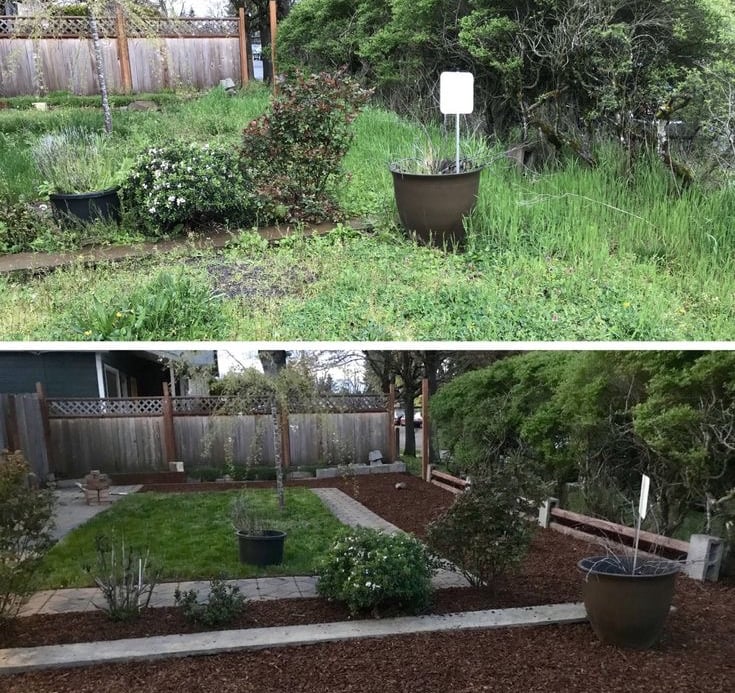
How to Choose the Best Tree Care Professionals
How can someone ensure they choose the most skilled tree care experts? First, it is essential to research local services and read customer reviews. A reputable company should have positive feedback and testimonials that highlight their expertise and reliability. Credentials and memberships with professional associations further demonstrate a dedication to industry benchmarks and continuous learning.
Furthermore, prospective customers should look into credentials and insurance. A certified tree care specialist must carry relevant information liability insurance and be properly licensed to operate in the area. This safeguards both the client and the crew members.
Furthermore, collecting various quotes facilitates comparing rates and services, assuring that individuals arrive at educated decisions. Lastly, evaluating a contractor's expertise throughout introductory appointments can indicate their depth of knowledge. By following these steps, you can confidently find a tree care specialist who meets their specific needs and guarantees the wellbeing and security of their property's trees.
Frequently Asked Questions
What Are the Typical Costs Associated with Professional Tree Removal?
Hiring a professional tree removal service typically costs between $200 and $2,000, depending on factors such as tree size, location, and difficulty of removal. Additional expenses may arise from permits or specialized equipment needed for the job.
When Is the Best Time of Year to Trim Trees?
The optimal time for tree trimming generally falls in the late winter or early spring months prior to new growth emerging. This timing promotes healthy regrowth and reduces stress on the tree, maintaining ideal health and a beautiful appearance.
Are There Any Regulations for Tree Removal in My Area?
Yes, there are commonly guidelines governing the cutting down of trees, which vary by location. Property owners are encouraged to reach out to local city offices or environmental regulatory bodies to clarify the exact requirements and permissions needed for the removal of trees.
Can I Perform Tree Care Myself Safely?
Attempting tree work yourself can prove hazardous without proper knowledge and equipment. Safety measures, appropriate tools, and understanding of tree biology are essential. Professional assistance is often recommended to guarantee safety and effective care.
What Tools Do Professionals Use for Tree Services?
Professionals use a range of tools for tree care, including wood chippers, chainsaws, pruning shears, aerial lifts, and stump grinders. These specialized tools guarantees precision, efficiency, and safety while handling tree removal and maintenance tasks successfully.